


The Atawhai Network
Atawhai is an innovative primary care-led network grounded in Te Ao Māori values, designed to bridge the gap between health care and family violence services.
The Atawhai Kōrero
Atawhai looks to reframe the current way of responding to family violence in primary care. Kōrero about family violence can be many shared moments in time, or wā, within a relationship, underpinned by tika (to be right), pono (truth), and aroha (empathy).
Atawhai is realising we do not have to ‘fix the problem’ but be someone whānau can trust to walk alongside supporting opportunities for change. Care is taken so any kōrero is responsive to, and safe for, whānau.
The Atawhai Kōrero
Atawhai looks to reframe the current way of responding to family violence in primary care. Kōrero about family violence can be many shared moments in time, or wā, within a relationship, underpinned by tika (to be right), pono (truth), and aroha (empathy).
Atawhai is realising we do not have to ‘fix the problem’ but be someone whānau can trust to walk alongside supporting opportunities for change. Care is taken so any kōrero is responsive to, and safe for, whānau.
How the Atawhai Network came about
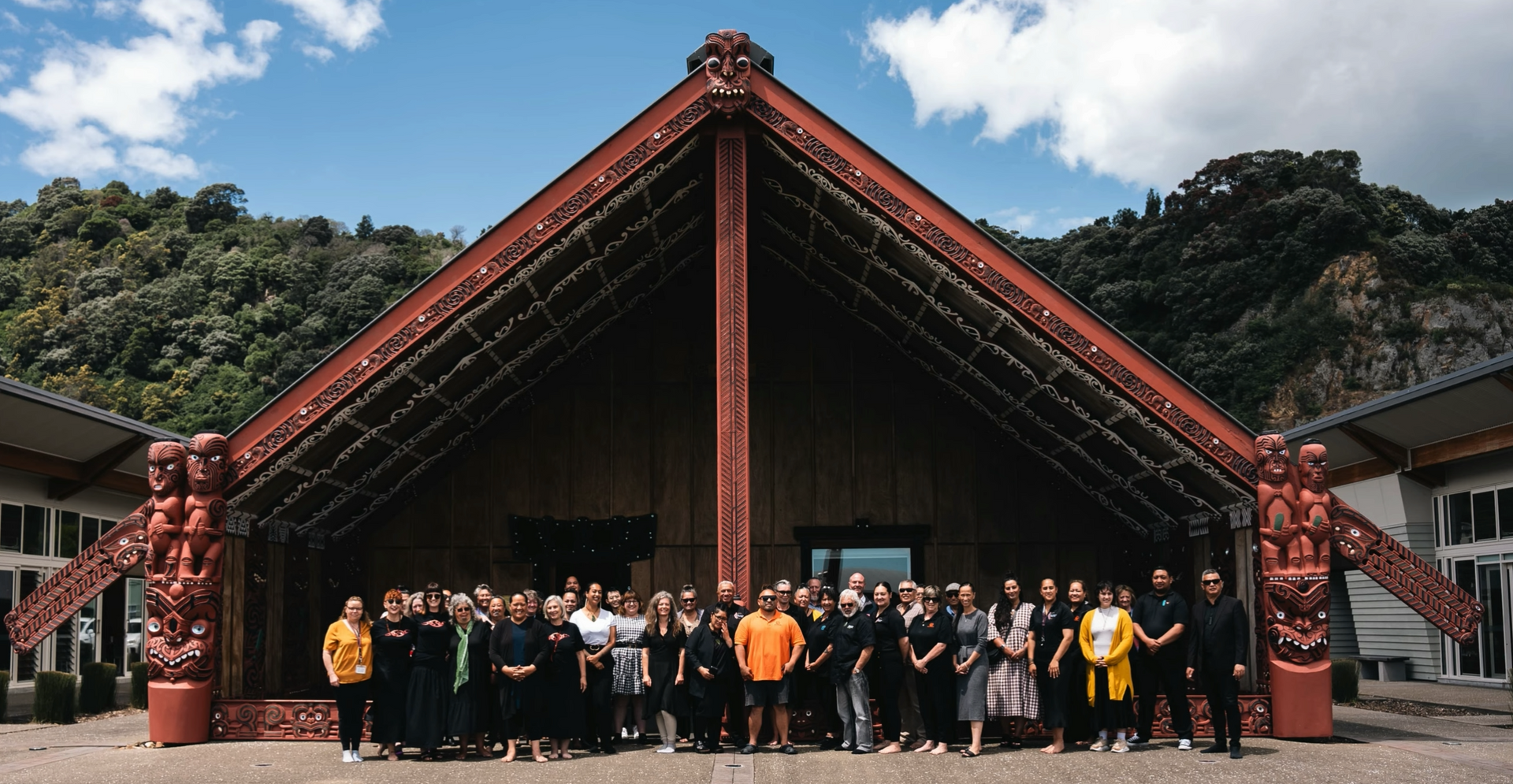
Atawhai began in response to primary care needing stronger system support to address family violence, a key determinant of ill-health. In the Bay of Plenty, between 2021 and 2023, we worked alongside a group of providers in a series of whakawhitiwhiti kōrero wānanga to understand what would make this mahi easier in everyday practice. From this work, the Atawhai Network has grown to support trusted, collaborative relationships between health and community services, working together to improve care for whānau and families.
Resources
The Atawhai resources are built on what providers have told us works in practice. Explore how you can adapt these tools to your own setting and make a difference for whānau.
Lay Summary
The Atawhai lay summary presents key findings from our research with health and community providers, showing what works in responding to family violence.
Common Language
The Atawhai Common Language provides shared language and values to support a sustainable, collective response to family violence in practice.
Pathway to Responsiveness
Atawhai has identified key system pathways that can be strengthened to make it easier for primary care professionals to respond to whānau and families impacted by violence.
Atawhai Practice Gems
The GEM card deck collates ‘practice gems’ for engaging with whānau and families impacted by family violence within primary care settings.
Te Reo Māori translation by Ngareta Timutimu, (Ngai te Rangi, Ngati Ranginui, MNZM) and Melissa Bryant (Ngāti Pakeha)
Funded by: Health Research Council of New Zealand.
Atawhai:
Making it safe to talk about family violence in health care
Hear from the community
At the beginning [I was] feeling disheartened and at a loss to know how to help, [I] came to the first wānanga looking for solutions. [I’m] not feeling so powerless now, knowing there are other people who strongly feel this is something important. We don’t need to fix it, but we are all here to support each other”.
‘. . .my work with Atawhai has encouraged me to keep the conversation open knowing that even if I am not the right person to confide in or open up to, or it’s not the right day, or they’ve been in a rush and they don’t have the headspace for that right now, that it is valuable knowing that it is important to us and the healthcare system. So even if I’m not the person to make that connection and to support that person, knowing that this is an okay thing to talk about to somebody in my role I think is useful’
‘. . .it’s so hard to fix anything in fifteen minutes let alone anything that has got massive social, societal, systemic, generational implications and that was knowledge that I needed, that I wasn’t going to change that. I didn’t need to change it, and nobody was expecting me to change it in fifteen minutes. It
was just me, you know, even the patients weren’t expecting me to change that in fifteen minutes. . .’
Our amazing FOUNDERS
Atawhai Founders
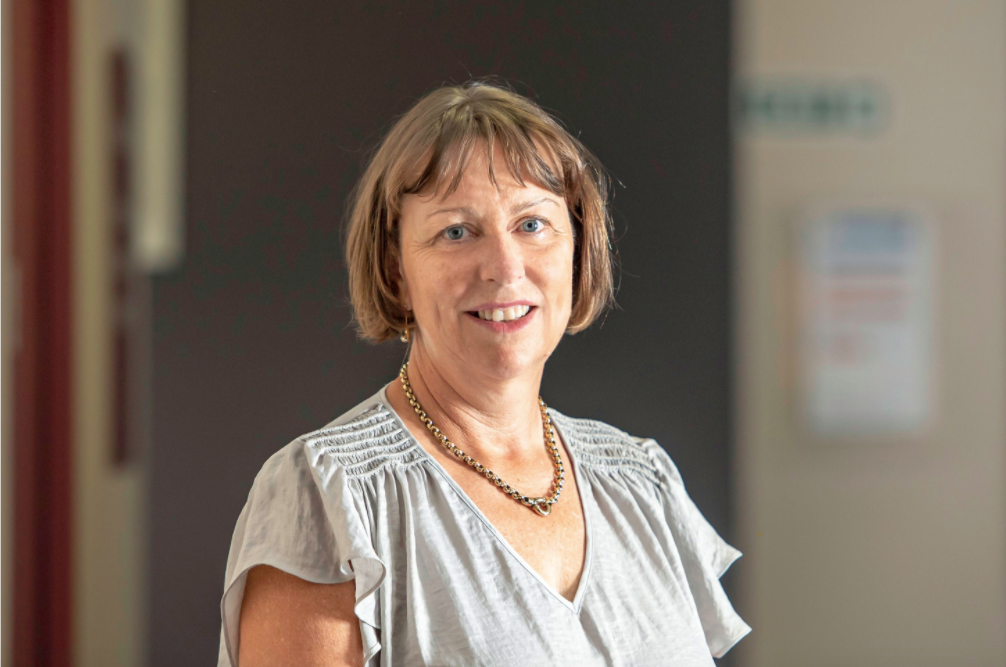
Julia Perry
Nurse Practitioner Fifth Avenue Family Practice, Tauranga
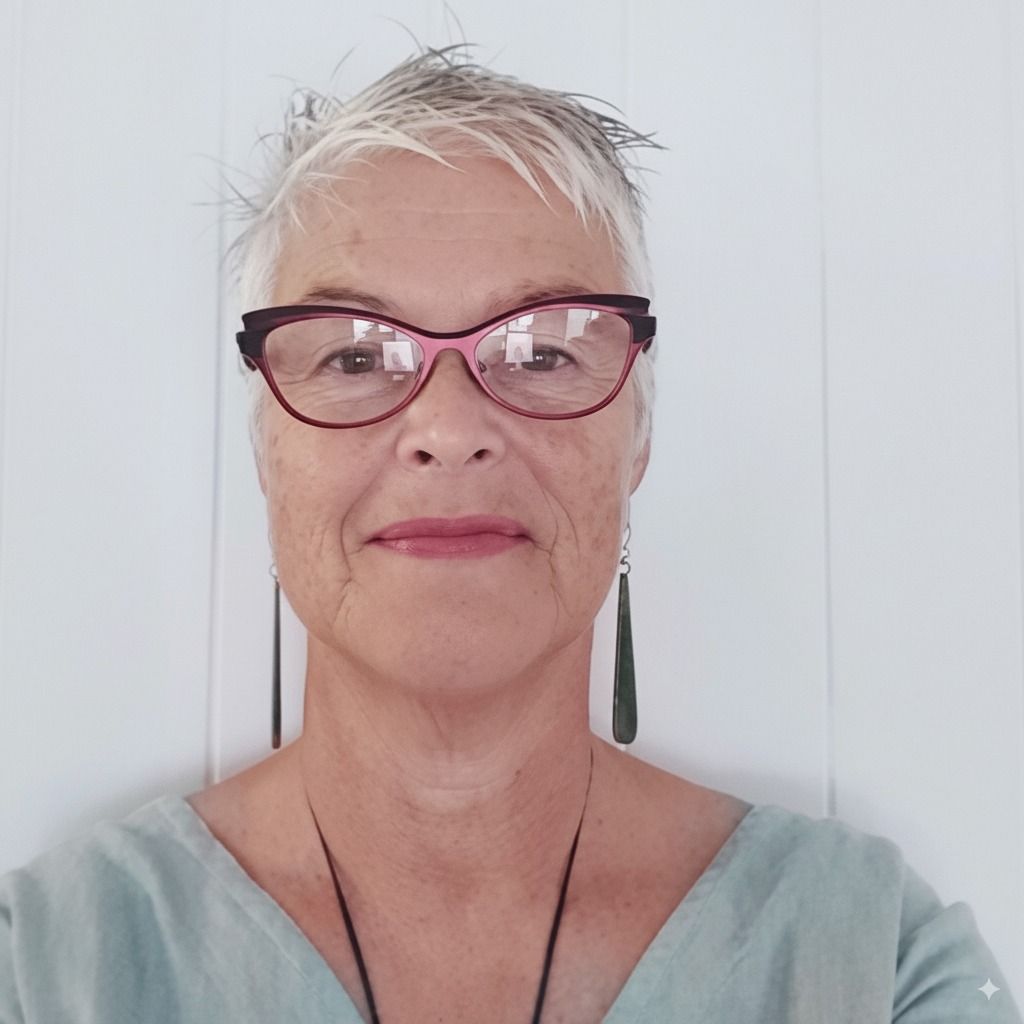
Sue Elliott
Registered Nurse Self-Employed, Maketu
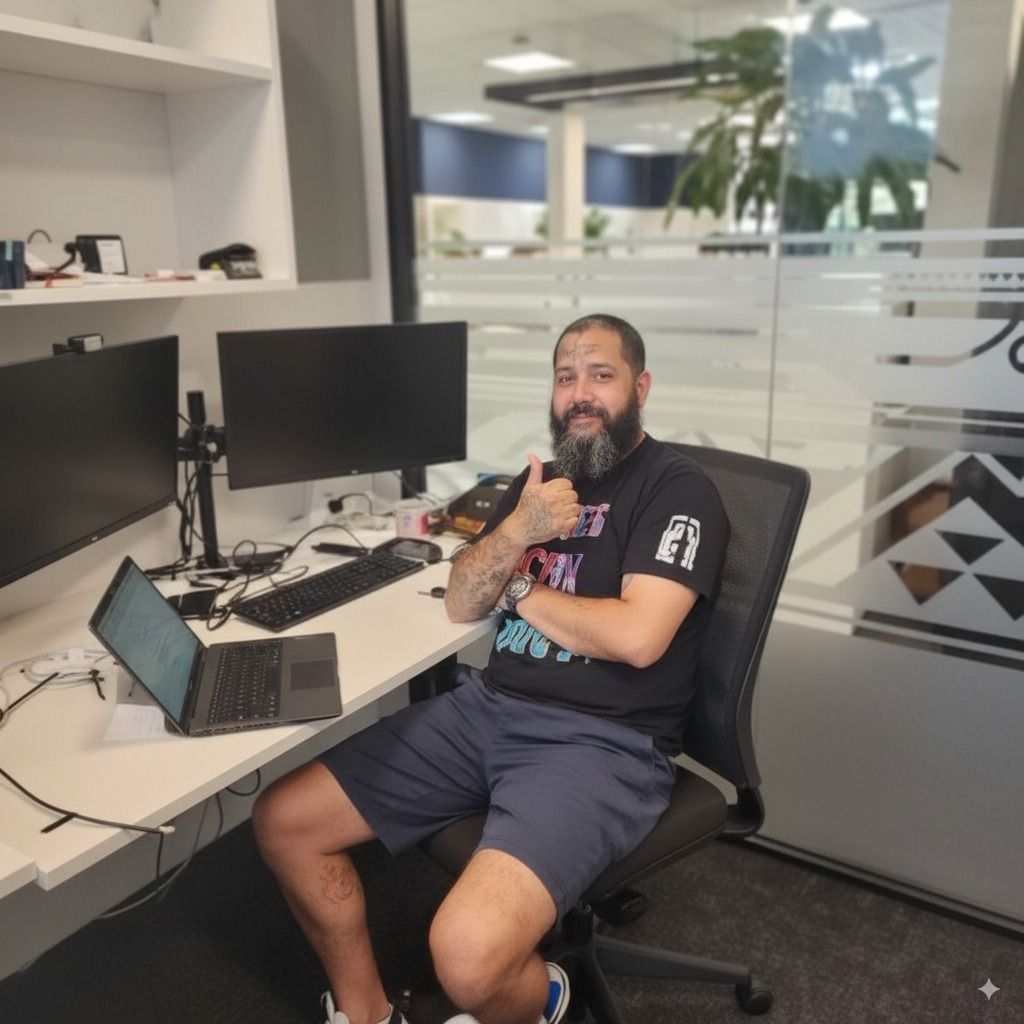
Matetu Mihinui
Te Arawa

Rochelle Broughton
Family Harm Team Lead Tūwharetoa ki Kawerau Hauora
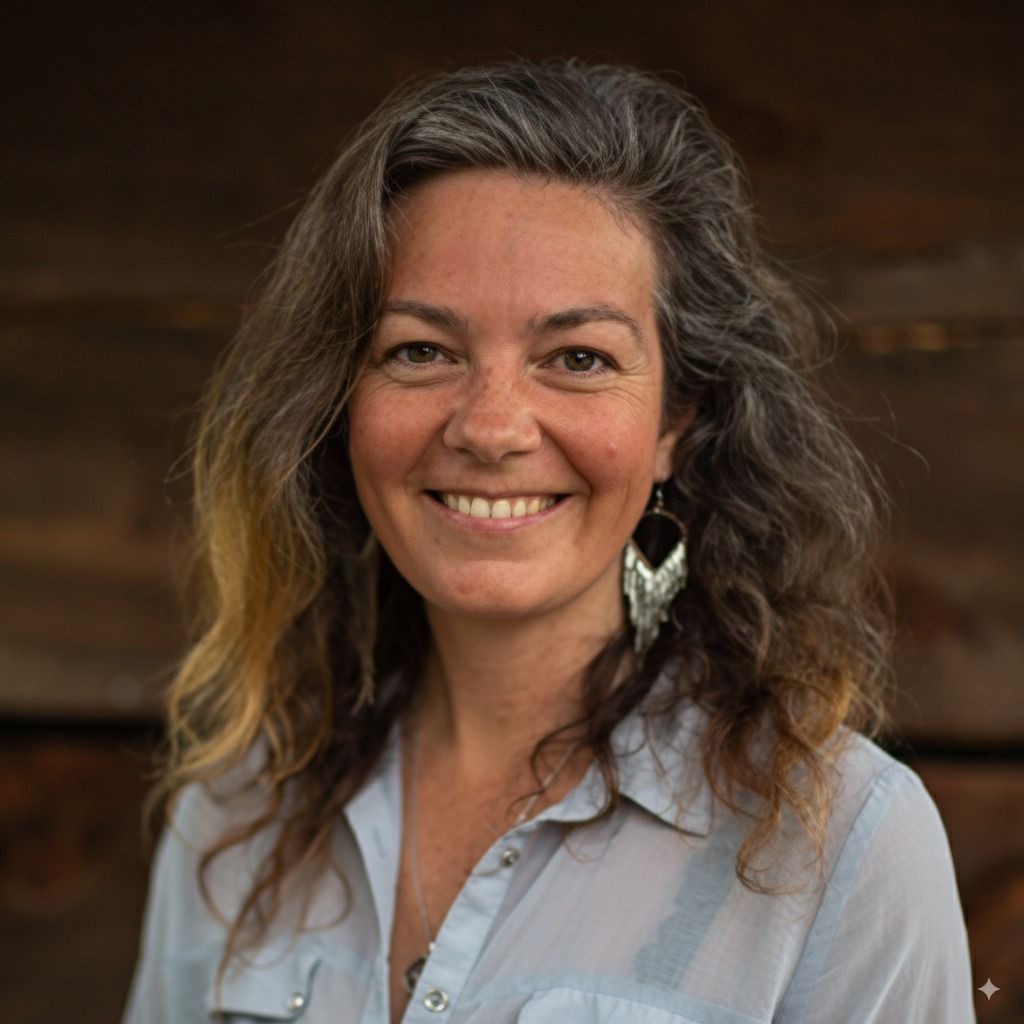
Emma Skellern
Network Liaison Western Bay of Plenty PHO, Tauranga
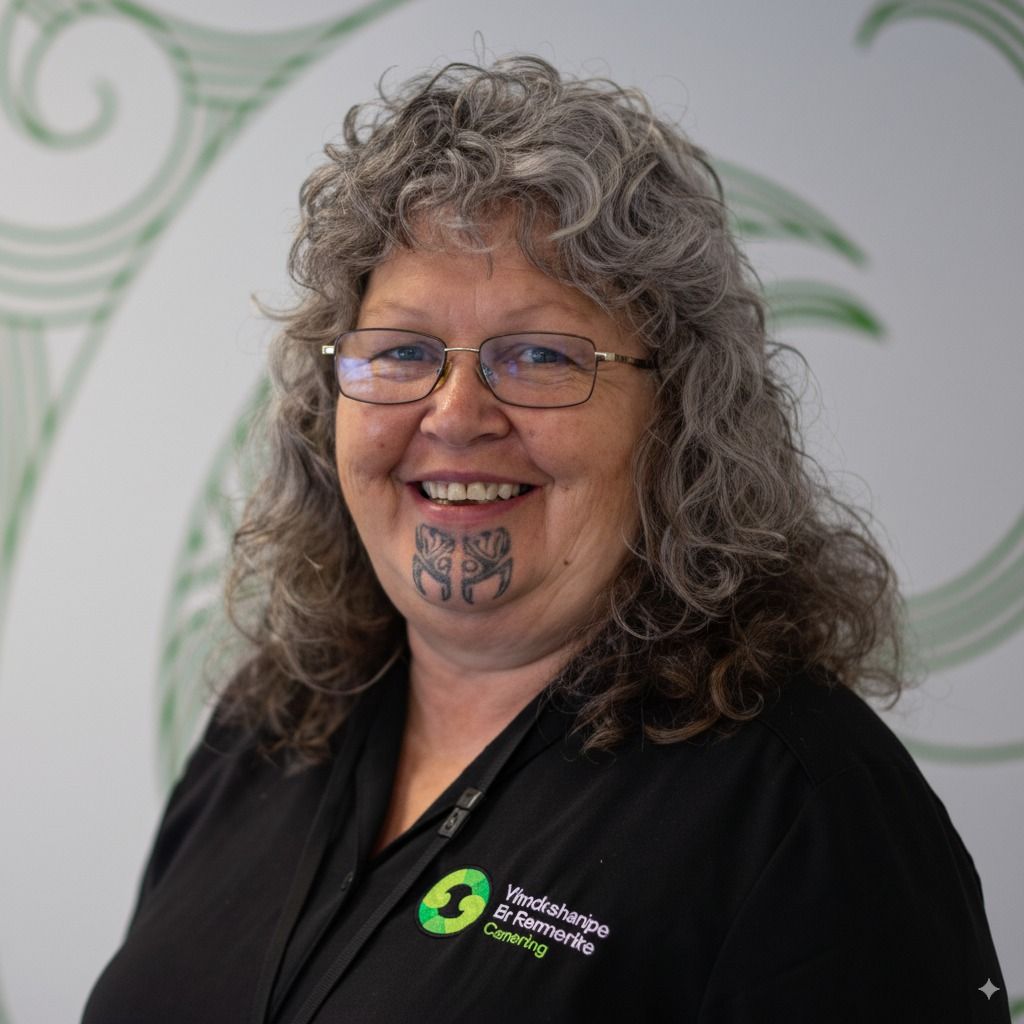
Glynn Rogers
Family Harm Elder Abuse Tūwharetoa ki Kawerau Hauora

Ashley Winiata-Simpson
Ngāti Awa Social and
Health Services, Whakatane
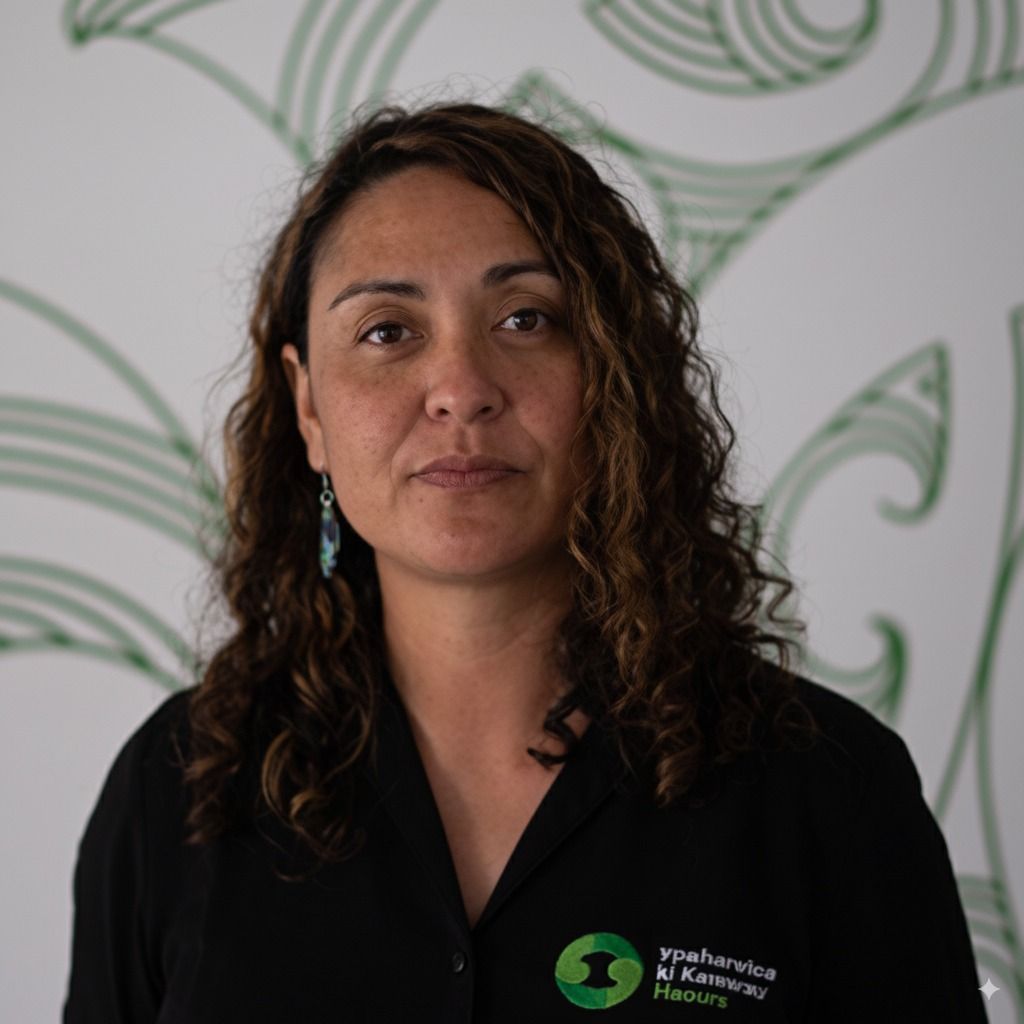
Viki Paul
Family Harm: Tūwharetoa ki Kawerau Hauora
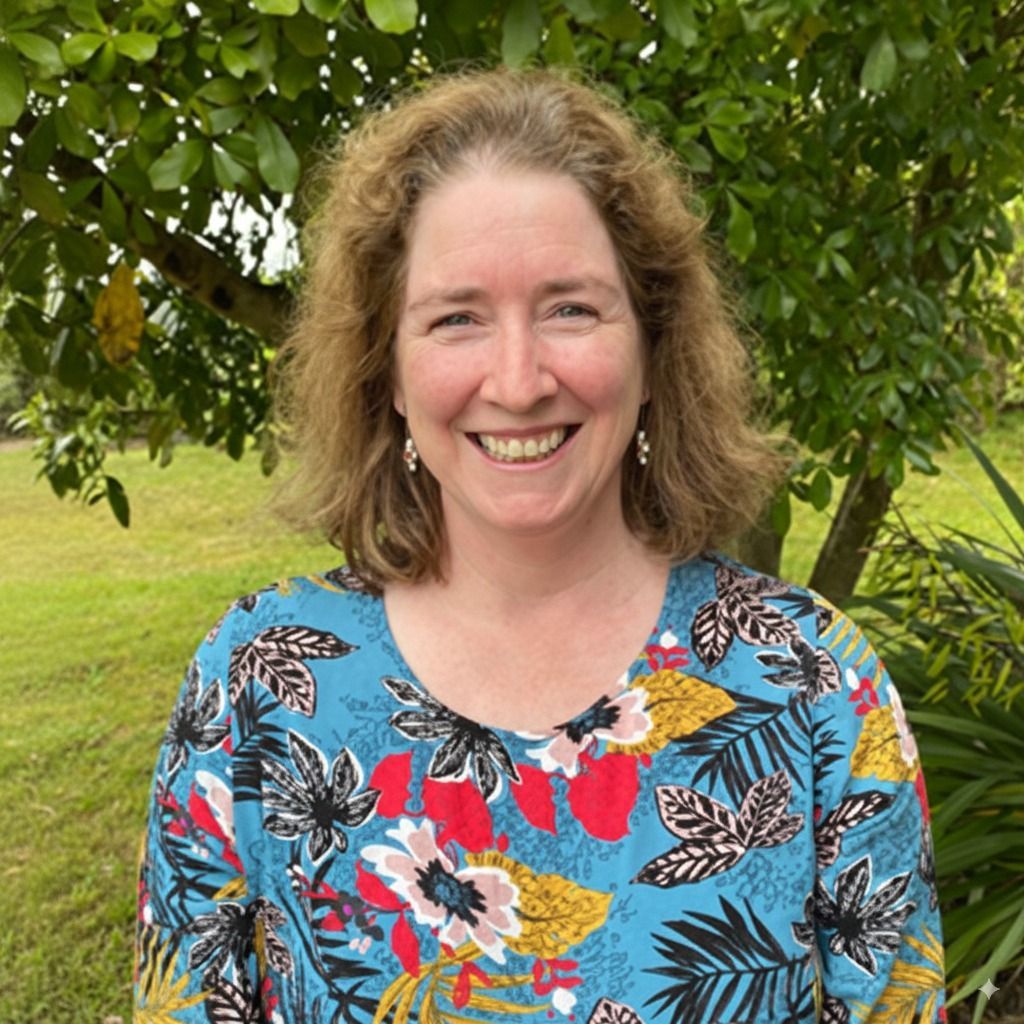
Dr Enuice Kelly
General Practitioner: Chadwick Healthcare, Tauranga South City

Dr Ruth Brenann
General Practitioner: The Doctors Phoenix, Whakatane
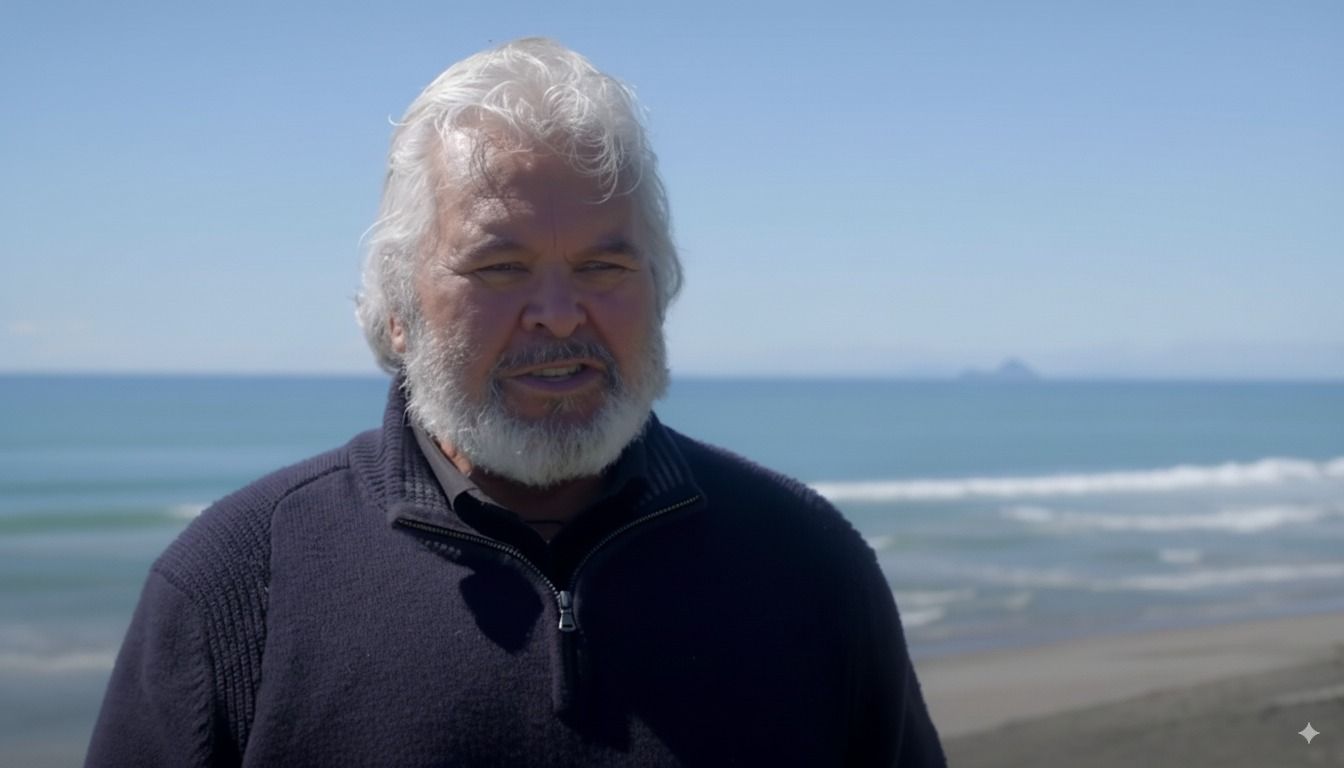
John Copeland
Harm Men’s Facilitator: Tūwharetoa ki Kawerau Hauora