What matters to whānau & families?

A black silhouette of a person held in a protective embrace.

Your Voice Helps Us Do Better

Family violence has a big impact on health and wellbeing, but it’s not always well recognised within health care services. We don’t know enough about whether services truly meet the needs of whānau, and the voices of those using services are often missing in their design and development. Understanding these experiences is key to improving services.

We want to hear from whānau and families within the Bay of Plenty region who have experienced family violence and want to help improve support services within health care.

Golden pampas grass plumes backlit by the sun, with a blurred water background.
Black and white icon of a person with outstretched arms embraced by an arch shape with three circles and two curved lines.

This project will work alongside whānau and families to understand what matters most when accessing GP clinics and hauora, how health and wellbeing can be better supported, and the best ways to share this knowledge with health care providers.

Listening to what matters to whānau and families will help health providers feel more confident and skilled in providing support. It will also highlight the best ways for whānau to access care, create opportunities for early help, and identify what positive change looks like for families.

Please note, this study isn’t for those currently in crisis or involved in ongoing legal proceedings. Our team takes a careful approach to whakawhanaungatanga, working with you to build trust, safety, and understanding needs before taking part in the study.


Want to learn more?

Download and Read the Adult Participant Information

Sheet & Consent Form.

Register your interest in participating below?

A member of our research team will contact you shortly

Hand holding a heart-shaped outline with a family inside: a man, a child, and a woman.

Register your interest in participating below

Hand holding a family inside a heart.
Two hands making a heart shape.

Thank you for contacting us.We’ll get back to you as soon as possible.

We got it.

This is required
This is required
Enter an email Use an address with (@) and (.)
This is required

We respect your privacy. Note your contact information will only be held for communicating the Atawhai Pānui.

Please see how we uphold your privacy here.

Cracked pipe with steam escaping from both ends, indicating a leak.

That didn’t work.

The form wasn’t sent. Please try again.

Envelope with horizontal lines indicating sending.
Black smartphone with a white screen, displaying a circle on the bottom.

0800WHAANAU (0800 942 2628)

Envelope with horizontal lines indicating sending.
Black smartphone with a white screen, displaying a circle on the bottom.

0800WHAANAU (0800 942 2628)

Hear from the community

Black heart-shaped icon, hands clasped in a handshake.
Opening quotation mark.

“I think the [Atawhai] kaupapa alone protects itself and protects us, it gives us that power, to use our voice […]it's looking at it from a better way instead of digging at it, looking for dirt, you know, looking for trauma [… It’s] looking for the strength in it all. […] Really, really privileged to be able to share.”

Black quotation mark symbol.

“I loved having the space to be able to speak into that and then reflect on the [inter]generational. And sort of heal even the way that I thought of them, […] I even viewed my own mother and grandmother as you weak, weak, weak woman […] because they stayed, [and] addiction and behaviours continue. But then I didn't consider everything else that they've been through. So it's quite humbling, actually. And it's only through this [research] that I've been able to look at them with empathy.”

Black quotation mark symbol.

“I just hope that everybody that wants to get involved in this project, or it gets presented to, that they're open to it, or open to listening, open to change. Ohh, just open. Even if you catch one person, that's one more person that might be able to help another.”

Our Research Team

Get to know us, the people behind

What Matters to Whānau.

Our Research Team

Get to know us, the people behind

What Matters to Whānau.

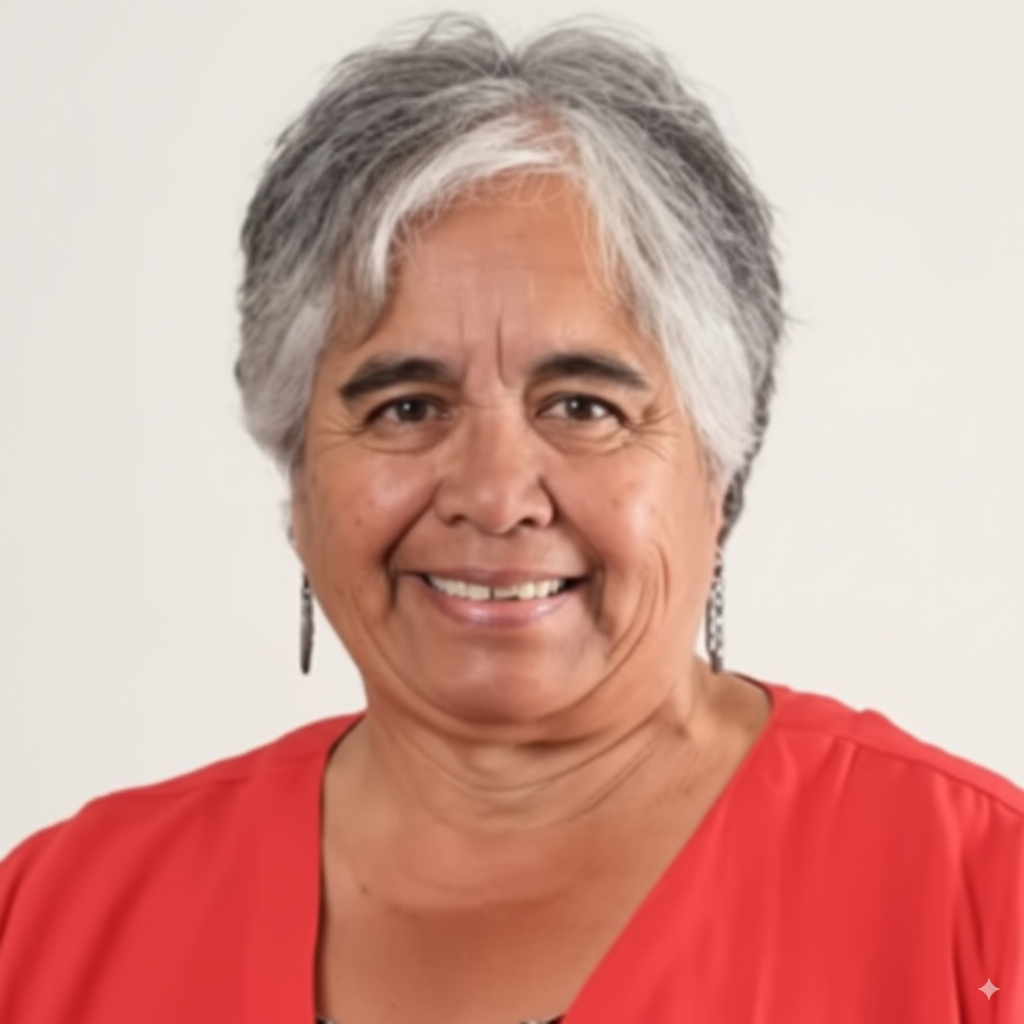
Woman with gray hair and red top smiling at the camera.

Ngareta Timutimu

Ngāi te Rangi, Ngāti Ranginui

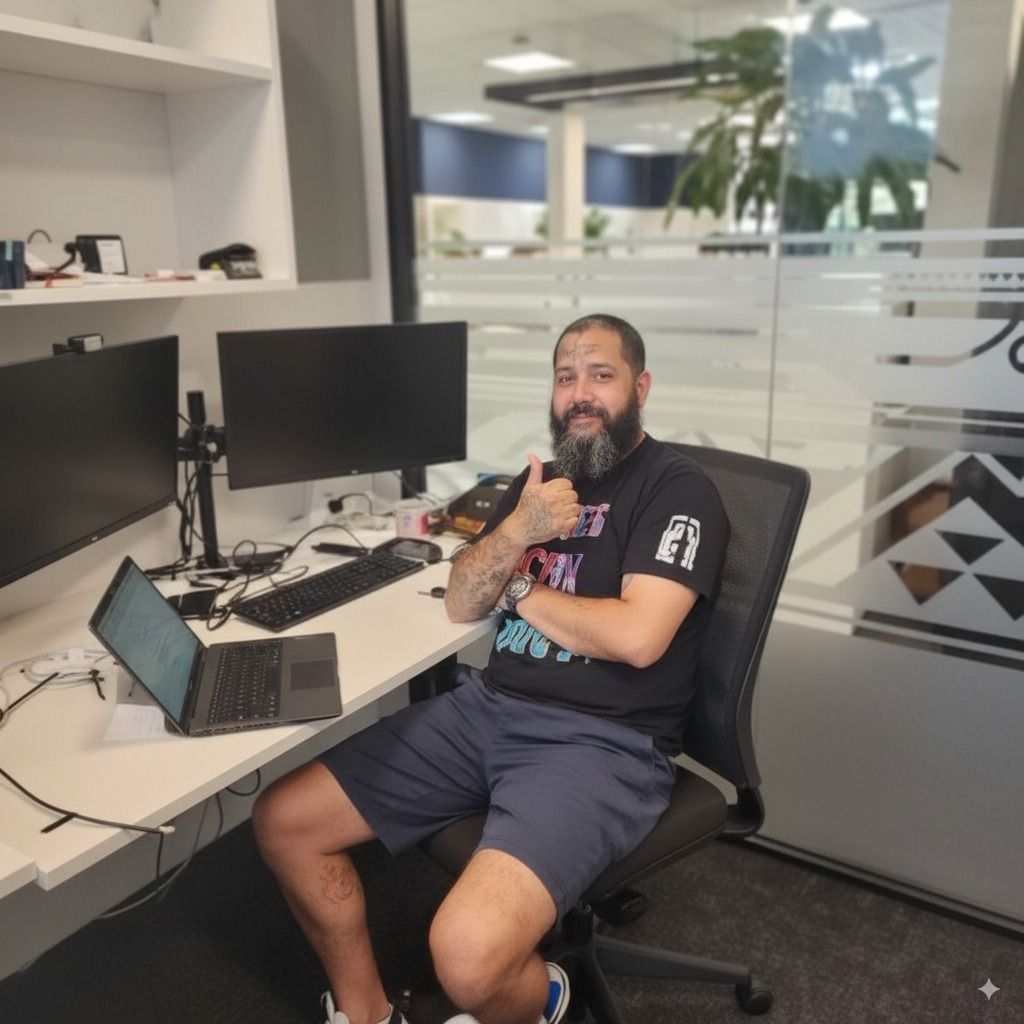
Man sitting at desk, giving thumbs up. Office setting with monitors, laptop, and window.

Matetu Mihinui

Te Arawa

Man sitting at desk, giving thumbs up. Office setting with monitors, laptop, and window.

Dr Claire Gear

Man sitting at desk, giving thumbs up. Office setting with monitors, laptop, and window.

Hazel Hape

Woman with gray hair and red top smiling at the camera.

Ngareta Timutimu

Ngāi te Rangi, Ngāti Ranginui

Man sitting at desk, giving thumbs up. Office setting with monitors, laptop, and window.

Matetu Mihinui

Te Arawa

Woman with glasses and red hair smiles, stands in front of green foliage, wearing a dark green coat.

Dr Claire Gear

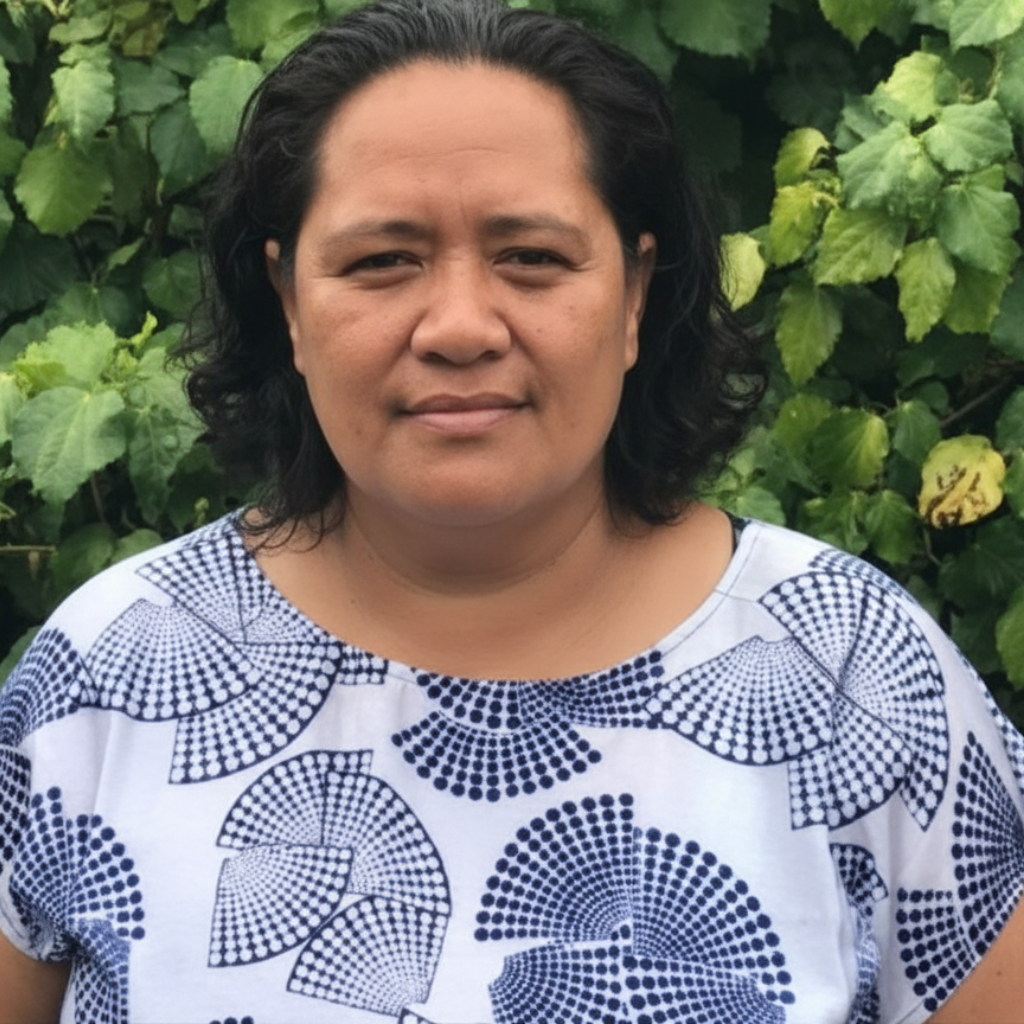
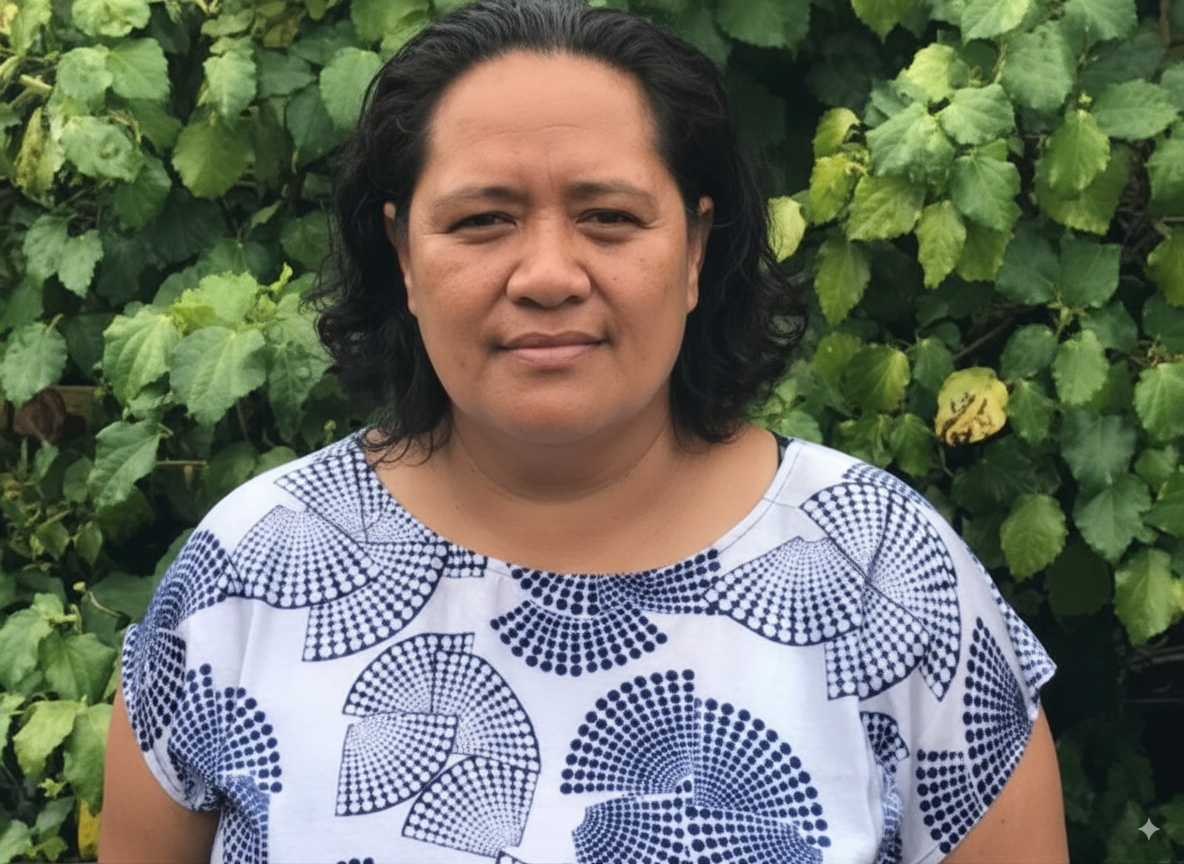
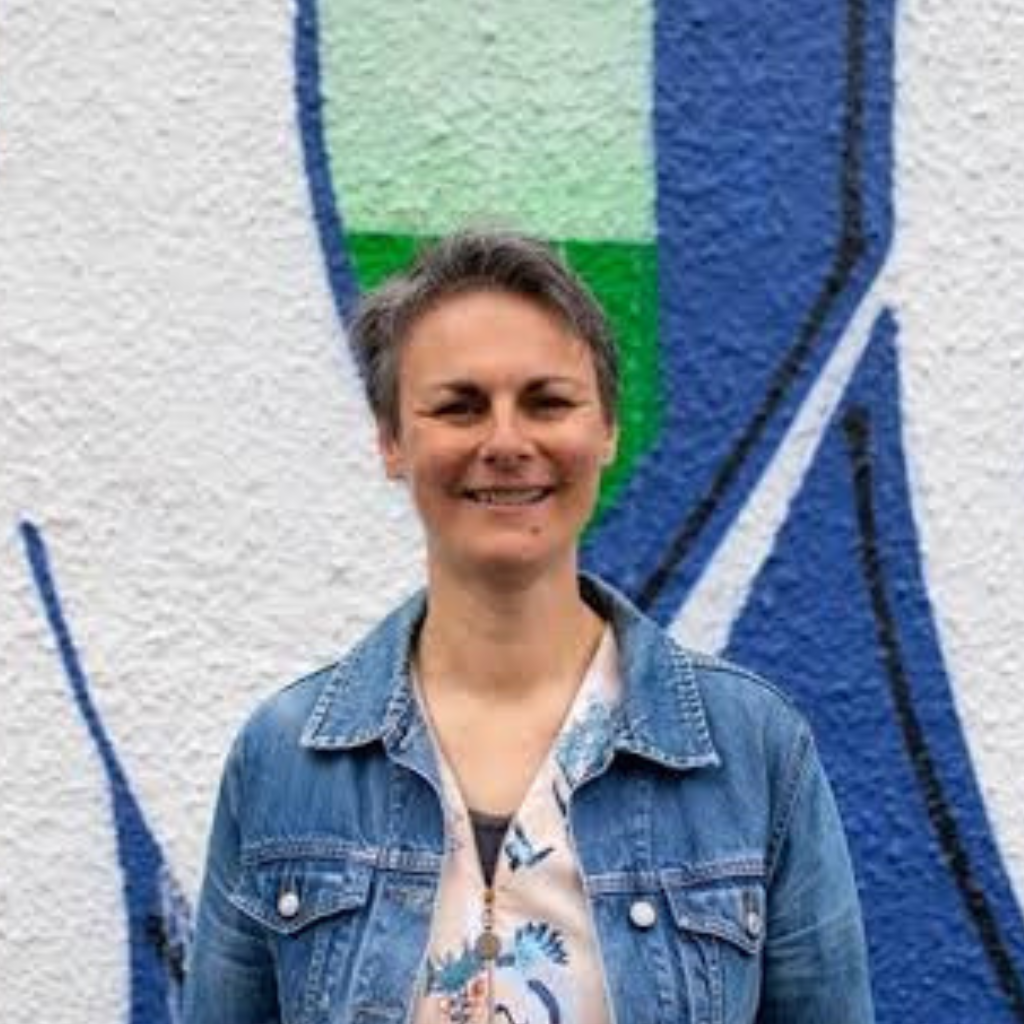
Woman with dark hair, wearing a blue and white patterned shirt, standing in front of green foliage.

Hazel Hape

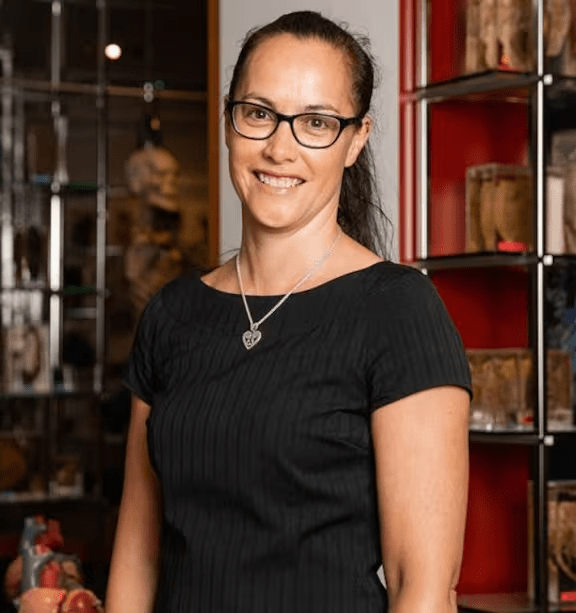
Woman with glasses smiles in front of glass-enclosed medical specimens.

Dr Anna Rolleston

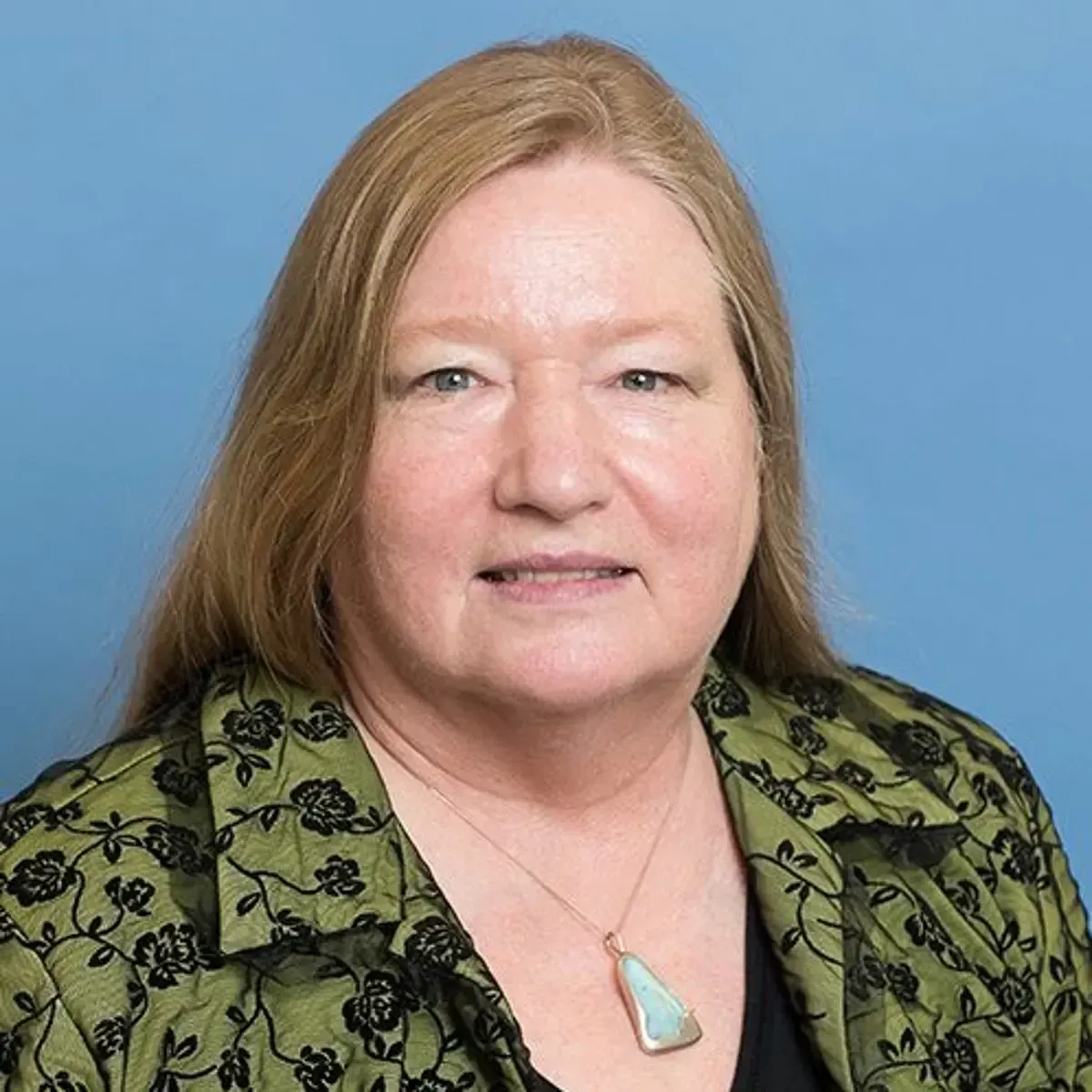
Woman with shoulder-length blonde hair, wearing a green floral-patterned jacket, smiling, blue background.

Dr Elizabeth Eppel

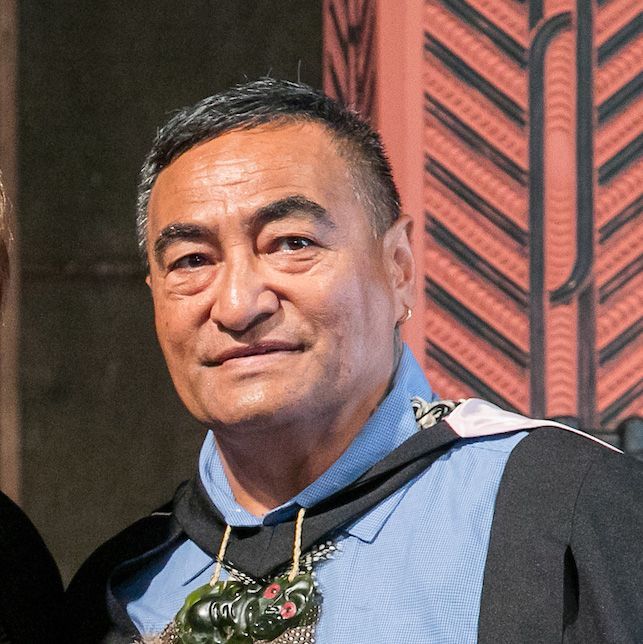
Man wearing a ceremonial cloak and necklace, standing in front of a carved wooden wall.

Hori Ahomiro

Woman smiling, wearing a gray blazer. Bookshelf visible in background.

Professor Jane

Koziol-McLain

Woman with glasses smiles in front of glass-enclosed medical specimens.

Dr Anna Rolleston

Woman with shoulder-length blonde hair, wearing a green floral-patterned jacket, smiling, blue background.

Dr Elizabeth Eppel

Man wearing a ceremonial cloak and necklace, standing in front of a carved wooden wall.

Hori Ahomiro

Woman smiling, wearing a gray blazer. Bookshelf visible in background.

Professor Jane Koziol-McLain

Woman with glasses smiles in front of glass-enclosed medical specimens.

Dr Anna Rolleston

Woman with shoulder-length blonde hair, wearing a green floral-patterned jacket, smiling, blue background.

Dr Elizabeth Eppel

Man wearing a ceremonial cloak and necklace, standing in front of a carved wooden wall.

Hori Ahomiro

Woman smiling, wearing a gray blazer. Bookshelf visible in background.

Professor Jane

Koziol-McLain

Woman with short gray hair in a black leather jacket smiles indoors.

Dr. Gabrielle Moss

Woman with glasses smiles outdoors, wearing jacket and scarf, trees in the background.

Zoë Tipa

Woman in academic robes smiles, wearing a Māori woven stole, in front of a patterned backdrop.

Dr Claire Isham

Woman with blonde hair wearing a floral top and necklace, standing in front of a bookshelf and colorful painting.

Lisa Mullions

White stylized design on red background; central oval with curled patterns, flanked by sweeping lines.

Dawn Simmons

Woman with short gray hair in a black leather jacket smiles indoors.

Dr. Gabrielle Moss

Woman with glasses smiles outdoors, wearing jacket and scarf, trees in the background.

Zoë Tipa

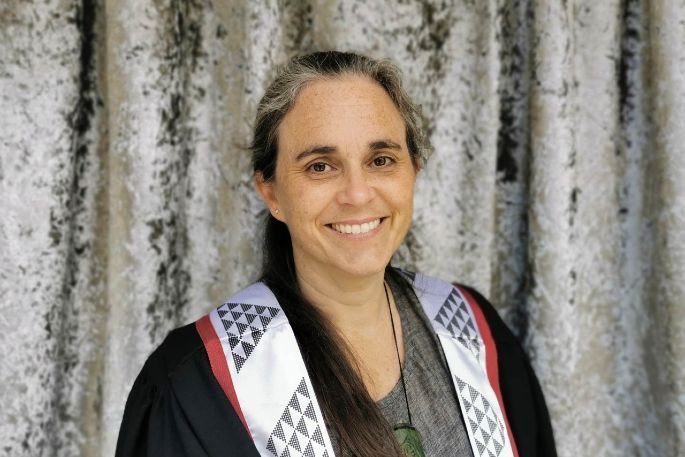
Woman in academic robes smiles, wearing a Māori woven stole, in front of a patterned backdrop.

Dr Claire Isham

Woman with blonde hair wearing a floral top and necklace, standing in front of a bookshelf and colorful painting.

Lisa Mullions

Woman with short gray hair in a black leather jacket smiles indoors.

Dr. Gabrielle Moss

Woman with glasses smiles outdoors, wearing jacket and scarf, trees in the background.

Zoë Tipa

Woman in academic robes smiles, wearing a Māori woven stole, in front of a patterned backdrop.

Dr Claire Isham

Woman with blonde hair wearing a floral top and necklace, standing in front of a bookshelf and colorful painting.

Lisa Mullions

White stylized design on red background; central oval with curled patterns, flanked by sweeping lines.

Dawn Simmons

White stylized design on red background; central oval with curled patterns, flanked by sweeping lines.

Dawn Simmons